


Mastering Fly Fishing Techniques in North Georgia

Fly fishing in North Georgia offers a unique experience. The region’s cold, clear streams provide ideal conditions for trout. To succeed here, you need to understand the specific techniques that work best in these waters. This guide covers essential tips and strategies to help you master fly fishing in North Georgia.
Understanding Fly Fishing North Georgia Waters
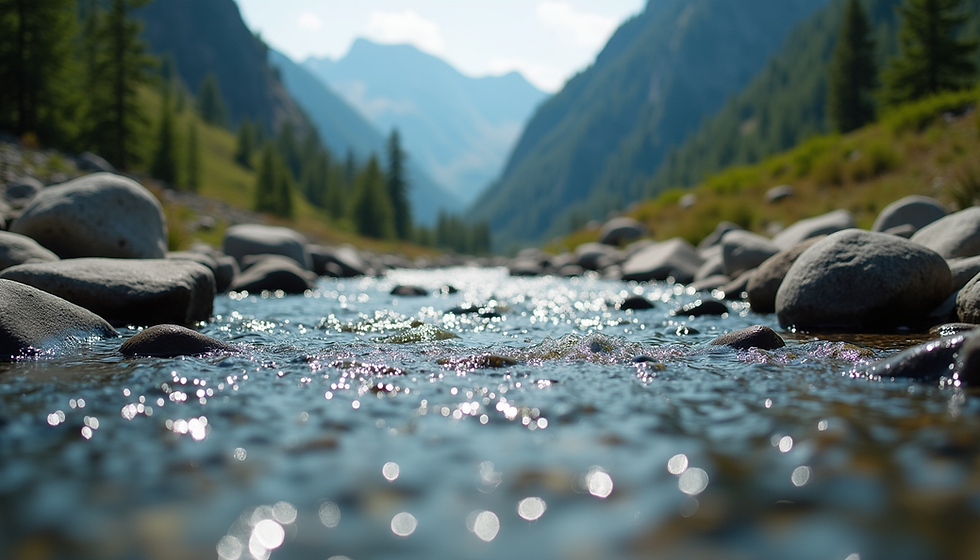
North Georgia’s streams are often fast-moving and cold. These conditions affect how trout behave and what flies they prefer. Knowing the water temperature and flow helps you choose the right gear and approach.
Trout in these streams tend to stay near cover like rocks, logs, and undercut banks. They feed on insects that hatch in the water or fall from nearby trees. Observing the water surface for rising fish or insect activity can guide your fly selection.
When fishing in North Georgia, use lightweight rods between 3 and 6 weights. These rods offer better control and sensitivity in small streams. A floating line is usually best, but a sink-tip line can help reach deeper pools.

Essential Fly Fishing North Georgia Techniques
Casting in tight spaces is common in North Georgia. Trees and bushes often line the banks, limiting your casting room. Practice roll casting and sidearm casting to avoid snagging your line.
Presentation is key. Trout in cold water are cautious. Use a drag-free drift to mimic natural insect movement. Mend your line frequently to prevent unnatural pulls on the fly.
Match the hatch by selecting flies that imitate local insects. Popular patterns include:
Mayflies: Use dry flies like Adams or Blue Wing Olives.
Caddisflies: Try Elk Hair Caddis or Parachute Caddis.
Stoneflies: Use stonefly nymphs or streamers.
Nymph fishing is effective when trout are not rising. Use split shot to sink your nymphs and indicators to detect strikes.
Gear Selection and Setup
Choosing the right gear improves your chances of success. A 9-foot rod with a 4 or 5 weight line suits most North Georgia streams. Pair it with a reel that has a smooth drag system.
Use tapered leaders between 7.5 and 9 feet. A longer leader helps with delicate presentations. Fluorocarbon tippet material is less visible underwater and more abrasion-resistant.
Pack essential tools like forceps, nippers, and a fly box with a variety of flies. Dress in layers to stay comfortable in changing weather. Waders and boots with good traction are necessary for slippery rocks.
Reading the Water and Finding Fish
Spotting where trout hold is crucial. Look for these features:
Pools: Deeper, slower water where trout rest.
Riffles: Shallow, fast water rich in oxygen and insects.
Eddies: Calm water behind rocks where food collects.
Approach quietly and cast upstream. Let your fly drift naturally through these areas. Watch for rises or subtle movements indicating fish presence.
Early morning and late afternoon are prime times. Trout feed more actively during these cooler periods. Overcast days can also increase feeding activity.
Improving Your Skills on Private Waters
Private waters in North Georgia offer controlled environments to practice. These waters often have higher trout densities and less pressure. Guided trips can provide valuable instruction tailored to your skill level.
Focus on refining your casting accuracy and presentation. Experiment with different fly patterns and depths. Take notes on what works best in various conditions.
Joining a guided experience helps you learn local insect hatches and seasonal changes. This knowledge boosts your confidence and success rate.
Building Confidence and Enjoying the Experience
Fly fishing is as much about patience as skill. Stay calm and observe your surroundings. Each cast teaches you something new about the water and fish behavior.
Keep your gear organized and ready. Practice knots and casting regularly. The more you fish, the better you understand the nuances of coldwater trout fishing.
Remember, the goal is to enjoy the process and improve steadily. Celebrate small victories like a good drift or a hooked fish.
Mastering coldwaters fly fishing North Georgia is rewarding. With the right techniques and mindset, you can make the most of this beautiful region’s fishing opportunities.
For more information and guided trips, visit coldwaters fly fishing North Georgia.


Comments