


Mastering Fly Fishing in North Georgia: Fly Fishing Tips North Georgia

Fly fishing in North Georgia offers a unique experience. The region’s streams and rivers provide excellent opportunities to catch trout and other species. I have spent many days on these waters, learning what works best. This guide shares practical fly fishing tips north Georgia anglers can use to improve their skills and enjoy the sport more.
Understanding North Georgia’s Fly Fishing Environment
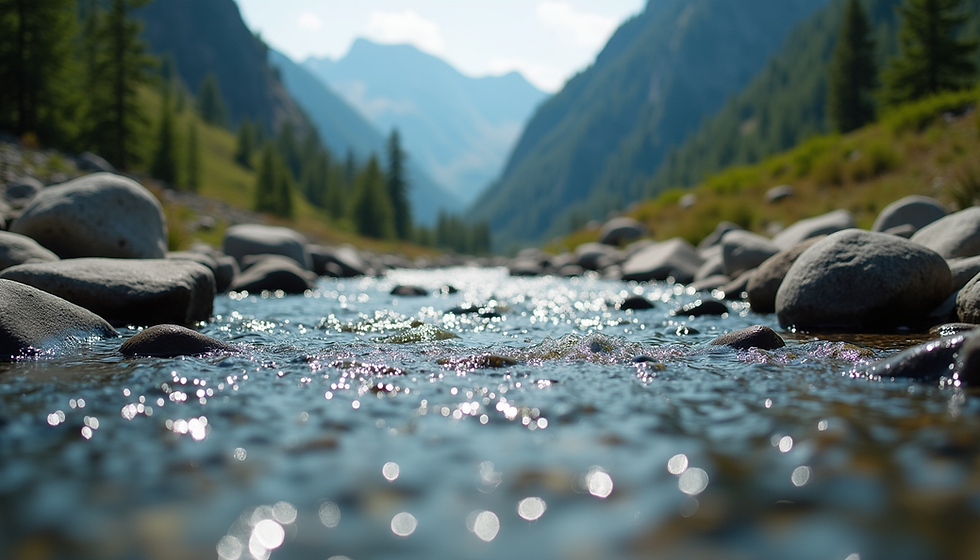
North Georgia’s landscape features clear, cold streams and rivers. These waters support healthy trout populations, especially in spring and fall. Knowing the environment helps you choose the right gear and techniques.
The water temperature is often cool, which is ideal for trout. You will find many small streams with fast currents and rocky bottoms. These conditions require lightweight gear and precise casting.
When I fish here, I pay close attention to the water flow and structure. Trout often hide behind rocks or near submerged logs. Spotting these areas increases your chances of a catch.

Essential Fly Fishing Tips North Georgia
To master fly fishing in North Georgia, focus on these key tips:
Choose the right rod and line: A 5 or 6-weight rod works well for most streams. Use a floating line for surface fishing or a sinking line for deeper pools.
Select appropriate flies: Match the hatch by using flies that imitate local insects. Popular choices include dry flies like the Adams and nymphs such as the Pheasant Tail.
Practice accurate casting: Short, controlled casts are best in narrow streams. Avoid splashing to prevent spooking fish.
Read the water: Look for seams where fast and slow water meet. Trout often rest in these spots.
Use stealth: Approach fishing spots quietly and wear natural colors to blend in.
I always carry a small fly box with a variety of patterns. This allows me to switch flies based on what the fish are feeding on.
Gear and Equipment Recommendations
Having the right gear makes a big difference. Here is what I recommend for fly fishing in North Georgia:
Rod and reel: A 9-foot, 5-weight rod is versatile. Pair it with a smooth drag reel.
Fly line: Use a weight-forward floating line for most conditions.
Leaders and tippets: Start with a 9-foot tapered leader and 4X tippet. Adjust based on water clarity.
Waders and boots: Breathable waders and sturdy boots with good traction help you stay comfortable and safe.
Fly selection: Carry dry flies, nymphs, and streamers. Include patterns like Elk Hair Caddis, Hare’s Ear, and Woolly Bugger.
Accessories: Bring a landing net, forceps, and a fly floatant.
I recommend investing in quality gear that lasts. It improves your experience and helps you fish longer.
Techniques for Catching Trout in North Georgia
Trout in North Georgia respond well to several fishing techniques. Here are some effective methods:
Dry fly fishing: Cast your dry fly upstream and let it drift naturally. Watch for rises and set the hook gently.
Nymph fishing: Use an indicator to detect strikes below the surface. Drift your nymph near the bottom where trout feed.
Streamer fishing: Retrieve your streamer with short strips to imitate small baitfish. This works well in deeper pools.
Sight fishing: Look for visible trout and cast just ahead of them. This requires stealth and accurate casting.
I often combine these techniques depending on the conditions. Early morning and late afternoon are prime times for active trout.
Finding the Best Spots and Guided Experiences
North Georgia has many public and private waters. Some areas are well-known, while others are hidden gems. To get the most out of your trip, consider guided fly fishing experiences.
Guides provide local knowledge, gear, and access to exclusive waters. They help you learn faster and catch more fish. For example, coldwaters fly fishing North Georgia offers guided trips on private streams with healthy trout populations.
When exploring on your own, look for:
National forests and parks: These areas have protected streams with good fishing.
Small tributaries: Less crowded and often productive.
Private waters: Access may require permission or a guide.
I recommend starting with a guide if you are new to the area. They can show you the best spots and teach essential skills.
Building Your Skills Over Time
Fly fishing is a skill that improves with practice. Here are ways to build your abilities:
Practice casting regularly: Use a backyard or local park to refine your technique.
Learn insect identification: Knowing what trout eat helps you choose the right fly.
Keep a fishing journal: Record conditions, flies used, and results. This helps you spot patterns.
Join local fly fishing clubs or groups: Networking with others provides tips and support.
Take lessons or workshops: Professional instruction accelerates learning.
I find that patience and persistence pay off. Each trip teaches something new.
Enjoying the Experience Beyond the Catch
Fly fishing in North Georgia is not just about catching fish. It is about enjoying nature and the peaceful surroundings. The mountains, forests, and streams create a perfect setting for relaxation.
Take time to observe wildlife, listen to the water, and appreciate the landscape. This mindset enhances your overall experience.
I always bring a camera to capture the beauty of the area. These memories keep me coming back.
Mastering fly fishing in North Georgia takes time and effort. By understanding the environment, using the right gear, applying effective techniques, and learning from guides, you can improve your skills and enjoy the sport fully. Whether you fish for fun or to challenge yourself, North Georgia offers some of the best trout fishing in the region.


Comments